
Plague

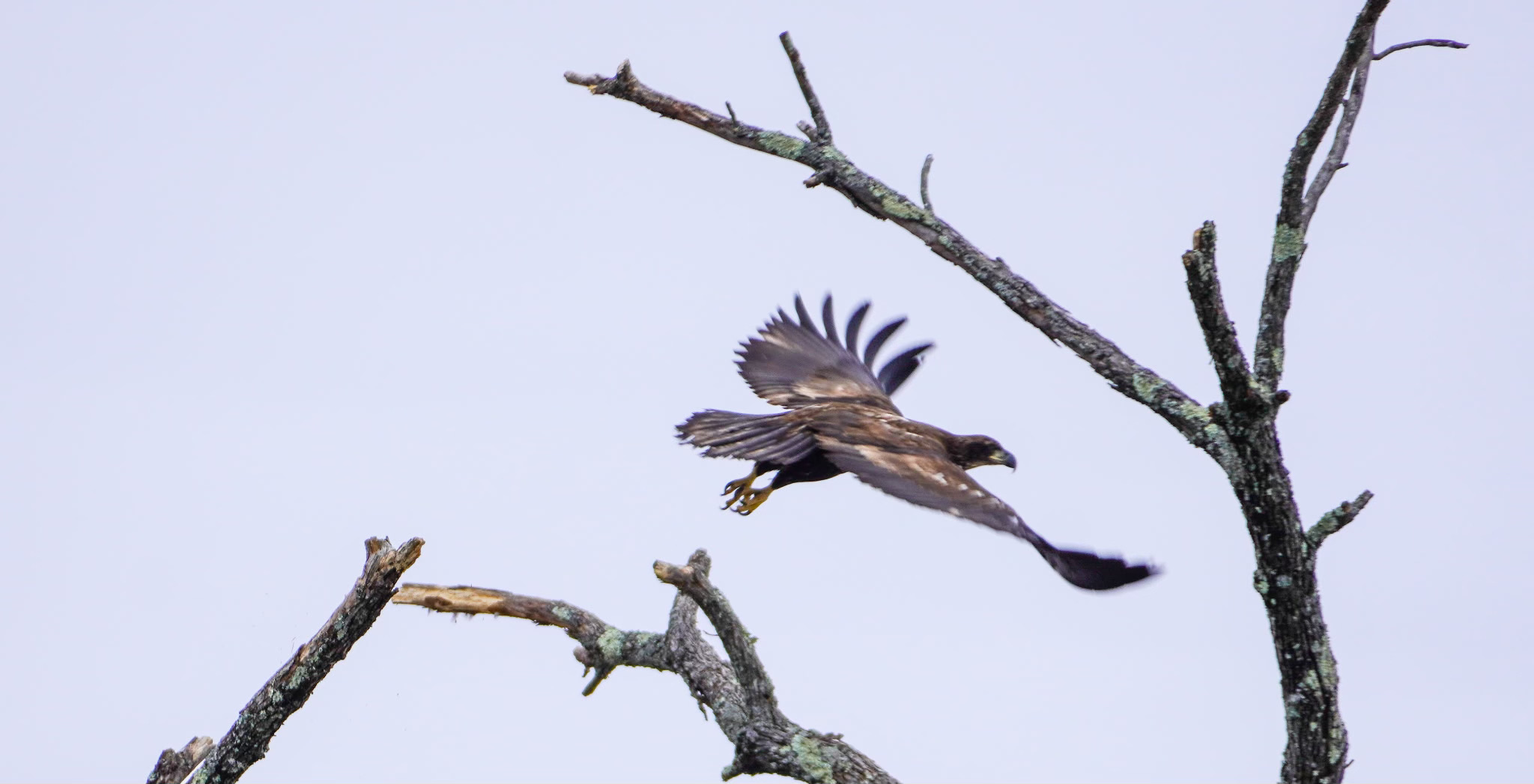
I first mistook them for woodpeckers,
bluejays replacing the fallen &
rattling the dormer at daybreak,
some late-winter havoc away
from the fallen geese, carcasses
ravished by raptors along the river,
birds of appetite having a last supper
before their own toxic collapse.

Along the Wallkill, the frozen dead
mark stone-bound pans of brash ice
beyond Ward’s Bridge & again
above the hamlet’s spillway.
I watch alone—treetops empty,
no string of voyeur crows
to surveille my find.

From the north new geese arrive,
smaller than the year-rounders &
arctic-hardened in shorter skeins.
They settle near mallards & mergansers,
the survivor-reservoirs who carry death
but survive it, dabblers near shore,
divers in the dark open channel.

It is quiet along the river.

Upstream, a single crow caws
& after long delay, a matching dyad,
distant but in the same broad pitch,
some amity in the face of absence,
an absence calling to the future,
a future of replacements, a future when
a new witness will arrive to carry on.


—Kevin Swanwick, late February 2026
About this poem:
Winter in the Hudson Valley has been challenging this year. It is not just the snow, but the long periods of deep cold and attendant winds that challenge even the hardiest of souls in the late winter period. Each of us adapts in our own way.
If you live here and have spent most of your time indoors (aren’t warm flannels and blankets great?), you might have missed the devastating effects of Avian Flu on our bird populations. Corvids (Crows, Ravens, Magpies and Bluejays) have been devastated, as have Canada Geese, a once overpopulated species in the Hudson Valley. Raptors who are particularly susceptible to the H5N1 variant, have done what they are supposed to do: feed on the many carcasses visible along various stretches of our inland waterways. Consequently, we have seen a significant drop in resident redtail hawks, vultures and bald eagles. Red Fox too, are highly susceptible to the virus and will die after consuming infected flesh or failing birds.
In the Shawangunk Grasslands, the Harrier Hawks arrived on November 1st. My granddaughter and I were among those few who spotted the first arrivals on that day. The Harriers nest alongside the endangered Short-eared Owl until late March when they’ll depart for mating elsewhere. For some unexplained reason, no owls arrived this year. Other birds will be replaced slowly, but for the owls, we may be witnessing their final demise.
I think the racist “replacement theory” infecting our culture is based on something all too human: Fear. But Nature takes its course, migrations continue, and we will all be replaced. Others will carry on. The only question is, for how long.
I read most all of your Poems Kev and typically the words and wording are over my head and most always I fight to understand their meaning but enjoy your prose just the same. But today's Poem was brilliant and the more I ponder it, the more (to me anyway) reflects upon humans and our society as well. With animals, their demise from the toxicity as you call it comes from nature, although humans play a bad part of that role too. With us though, our demise is totally of our own doing. So what does our future hold, who are our replacements, who will be here to bear witness and carry on? I can only hope that whomever it is, that they will see the light because of our own demise. Best to learn from it and do better for all that are left to inhabit this planet.... Carry on ;)
As usual, you paint a vivid picture. You put us there physically and emotionally. Down here, in the land of sunshine and flamingos, I didn’t know about the NE’s plight. But here too, much is not what it seems.